

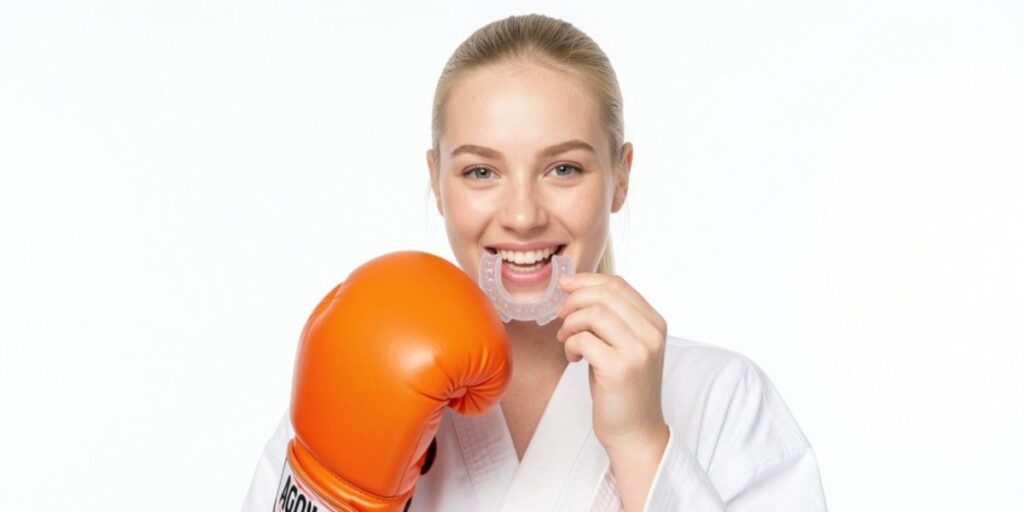
Sports are healthy for your body as well as for your confidence. They build strength, they teach discipline and they give you the rush of energy that only competition can bring. But there’s a flip side that fails to receive enough airtime: The mouth takes a pounding. Sports injuries to the oral cavity vary from hairline cracks to fully broken jaws and are far more common than most athletes realise most are due to players who didn’t wear protective gear. Presently, a properly fitted athletic mouthguard Duluth Dentists had trust in isn’t required for anyone stepping onto a field, court or rink.
How Do These Injuries Actually Happen?
Any coach can tell you that dental injuries are rarely a result of a single determinant. They lurk in a few typical sporting moments:
- Two players run to another player at speed
- A hard fall on pavement, turf or gym flooring
- Hit by a stick, bat or piece of material.
- A collision which no one else saw coming
- A ball or puck that goes faster than you can react to
None of these require any malice or impure play. That’s just part of the game, and that is why prevention is more significant than reaction.
What a Mouthguard Actually Does for You
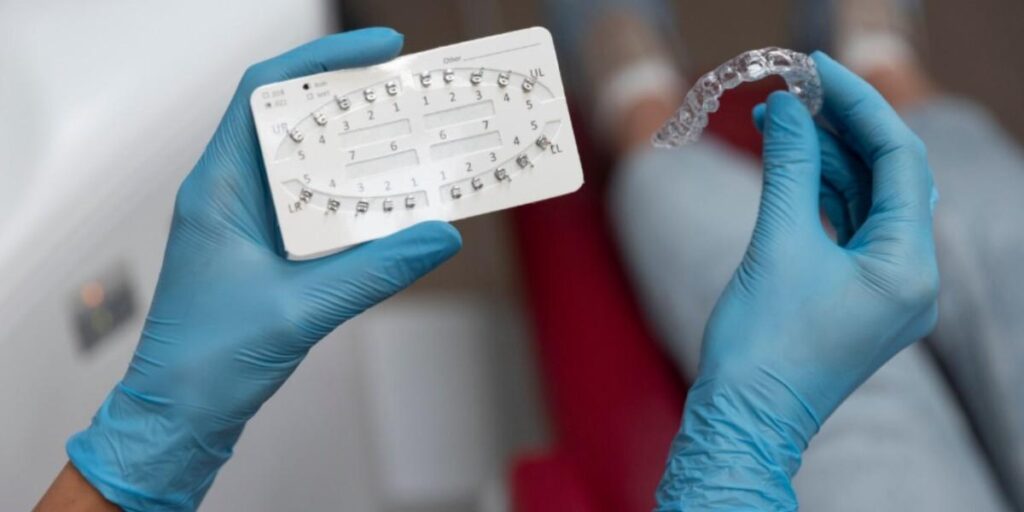
A mouthguard is a shield between your teeth and the world outside. If contact occurs, the guard spreads the energy of impact across your jaw and mouth, instead of allowing the full force to rest directly on a tooth.That difference concentrated impact versus distributed impact is often what separates a scare from a genuine emergency.
A well-fitted athletic mouthguard Duluth dentists custom-make can meaningfully lower your risk of:
- Chipped or cracked teeth
- Teeth knocked out entirely
- Cuts to the lips and cheeks
- Tongue injuries
- Jaw trauma
Here’s the part that surprises people: even a fairly light hit can fracture a tooth deep enough that the crack runs below the gumline. When that happens, you’re not waiting around. You need broken tooth pain relief Duluth care right away, because that kind of damage only gets worse with time.
It’s Not Just About the Teeth
A blow to the face doesn’t stop at your teeth. The jaw and the soft tissue around your mouth absorb plenty of damage too. When your cheeks, lips, or tongue get slammed against your own teeth during a hit, the result is often torn or cut tissue painful, and sometimes worse than the tooth damage itself.
The Hidden Cost of a Jaw Injury
A jaw injury rarely stays simple. Left untreated, it can develop into full-blown TMJ (temporomandibular joint) problems, which show up as:
- Ongoing jaw pain that won’t settle
- Trouble chewing normally
- Clicking or popping sounds when you open your mouth
- Discomfort centered right at the jaw joint
- A bite that no longer lines up the way it used to
None of these are quick fixes. TMJ issues tend to snowball into longer, costlier treatment plans which is a strong argument for stopping the injury before it starts. And when something does go wrong, having a reliable emergency dentist Duluth on call isn’t a luxury, it’s damage control. Waiting even a day can shrink your options for saving a tooth.
Signs You Shouldn’t Wait to See a Dentist
Some situations call for a same-day visit, not a “we’ll see how it feels tomorrow” approach. Get to a dentist right away if you’re dealing with:
- A tooth that’s been knocked out
- Toothache that’s sharp or won’t let up
- Bleeding that won’t stop on its own
- Noticeable swelling in the mouth or face
- A cracked tooth where the nerve is exposed
- Any injury involving the facial bones
Acting fast genuinely changes outcomes here the sooner you’re seen, the better your odds of a full recovery.
What to Do in the First Few Minutes After an Injury
If a tooth is knocked out during a game, do not panic, just keep it moist (milk or saliva works if you’re away from a sink) and get to a dentist as fast as possible. Time is more vital than most people know in the case of saving a tooth.
If you’re dealing with intense pain after a hit, don’t tell yourself it’ll pass on its own. That mindset costs people teeth. Having quick access to an emergency dentist Duluth residents can call on short notice is what turns a potential disaster into a manageable fix.
We’re also proud to welcome patients from nearby communities who come to us for trusted cosmetic dental care, including:
Every patient gets a personalized plan built around results that look and feel completely natural.
Conclusion
A sports injury to your mouth is never just about a chipped tooth or a few days of soreness. It can mean jaw trauma, urgent dental visits, and treatment bills that stack up fast. The simplest way to sidestep all of it? Wear a mouthguard, every time you play no exceptions.
Frequently Asked Questions
What should I do if I break a tooth during a game?
Rinse gently with warm water and get to a dentist as soon as you can. Hold on to any broken pieces they can sometimes be used in treatment. Acting quickly is the key to effective broken tooth pain relief Duluth patients need after an injury like this.
How often should I replace my sports mouthguard?
Check it at least every 6 months If you are a teen with teeth and jaw still growing, count on replacing it more often than that.
Do sports injuries only affect the front teeth?
While most direct effects occur by front teeth, they are by no means the only ones at risk. A properly fitted mouth guard protects all of the mouth, not just the front row.
Can dental problems show up weeks after a sports injury?
Yes, and it catches people off guard. Sensitivity, staining, swelling, or pain can all surface well after the original hit which is another reason to get checked out early rather than assuming you’re in the clear.
Can I reuse the same mouthguard season after season?
It depends on fit and condition. Mouthguards wear out over time and lose their safeguarding edge so I don’t believe last season’s guard is still doing its job. Kids and teens need replacements more often as their mouths change.
Do recreational athletes really need custom mouthguards?
Absolutely. It’s tempting to think protection is only for competitive players, but injuries don’t check your skill level or how seriously you take the game before they happen.
Author Bio
Dr. Kimi Patel is a graduate of the University of Michigan School of Dentistry and is dedicated to providing quality, compassionate and patient-focused dental care. She believes in educating patients while creating customised treatment plans that satisfy each person’s dental needs and goals.
3575 Koger Blvd, Suite 160
Duluth, GA 30096
Phone: 770-696-4144
Email: staff@duluthdentalstudio.com


