

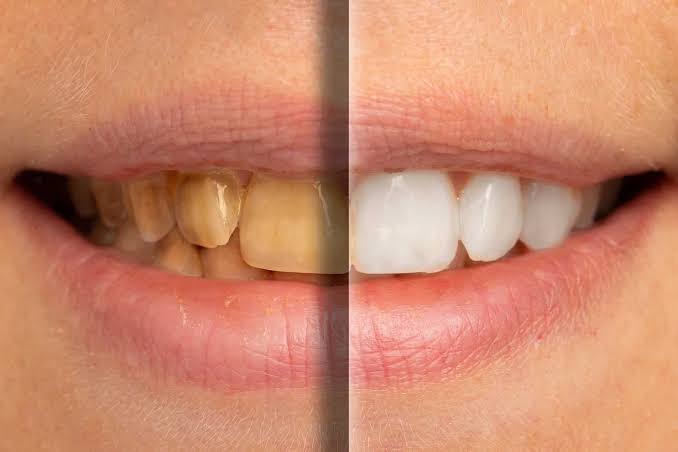
yes, most of the time. Coffee and tea stains usually clear up with whitening toothpaste, a home remedy, or a professional treatment. Discoloration from old medications, an injury, or thinning enamel is a different story, and sometimes veneers or bonding end up being the better fix. Here’s the real breakdown, no sales pitch attached.
If you’ve started smiling with your mouth closed in photos, you’re not alone in that. Tooth color is probably the number one thing people ask us about, and it’s usually what’s behind someone searching for tooth whitening in Duluth GA to begin with. For most people, a brighter smile is doable. The part that actually matters is figuring out why your teeth turned yellow in the first place, because that’s what decides which fix will work.
We get some version of this question constantly at Duluth Dental Studio. Sometimes it’s a patient pulling up a photo from ten years ago on their phone and asking what happened. So here’s the honest version.
Why teeth turn yellow
There are really two categories here, and the difference matters more than people think.
Extrinsic staining sits on the outside of the tooth. Coffee, tea, red wine, curry, tobacco, you know the list. It builds up gradually, and it usually responds well to whitening or even just a good cleaning.
Intrinsic staining is a different animal. It develops inside the tooth rather than on the surface, and it’s caused by things like certain antibiotics taken as a kid, too much fluoride while teeth were still forming, or an old injury that affected the nerve. Whitening alone often doesn’t get the job done here.
Then there’s plain aging. Enamel wears thin over the years no matter how well you brush, and the yellowish dentin underneath starts showing through more. Not a hygiene problem. Just biology. Some people also have a naturally warmer tooth shade to start with, and that’s fine too.
Does whitening actually work
For everyday surface staining, yes, in most cases. Whitening gels use peroxide to break down the stain molecules in the enamel, which lightens the tooth over time.
How much lighter depends on what caused the staining, your natural dentin color underneath all that, and whether you’re mostly dealing with extrinsic or intrinsic discoloration. Which is basically the whole reason a quick chat with a dentist before buying anything saves people time and money.
What to try at home first
You don’t always need an appointment right away, especially if the staining’s light and recent.
Whitening toothpaste is really just a gentle scrub. Mild abrasives lift surface stains, and some formulas throw in a bit of peroxide too. It won’t touch anything deep, but it helps with upkeep.
Baking soda and hydrogen peroxide is an old trick that still holds up. Baking soda neutralizes acid and clears plaque. Peroxide works as a mild bleaching agent and cuts down bacteria. A couple times a week, not daily, and it can make a noticeable difference on light staining.
Small habits help too. Rinse with water after coffee. Use an electric toothbrush if you’ve got one. Drink enough water during the day. None of it is dramatic by itself, but it adds up over time.
If a few weeks of this does nothing, the staining’s probably deeper than surface level.
When professional whitening makes sense
This is where our team comes in. Our Duluth Dental Services include both in-office whitening and take-home kits, so you’re not stuck guessing at the drugstore.
In-office whitening is the fast route. We use stronger bleaching agents than anything sold over the counter, and most people see a real difference after one visit. Good option if you’ve got an event coming up and don’t want to wait weeks.
Take-home kits work slower but just as well for a lot of people. Custom trays, professional-strength gel, worn for a set time each day over a few weeks. Not as fast, but convenient, and the results tend to stick around longer.
When teeth don’t respond to bleaching, or when the staining’s intrinsic bonding and veneers come into the picture. Bonding covers stains with a tooth-colored resin. Veneers are thin custom shells over the front of the tooth, which gives a more even look across the whole smile.
What whitening won’t do
Worth being upfront here, because overselling this stuff just leads to disappointed patients.
It won’t change the color of crowns, veneers, or fillings. Those materials don’t respond to bleach the way natural enamel does. We see this trip people up more than you’d think, someone whitens their natural teeth and ends up with an old filling that suddenly looks noticeably different.
It won’t fix worn or damaged enamel either, and it’s not a treatment for decay, infection, or gum disease. Those need to get handled first. Whitening is cosmetic, not a substitute for actual dental care.
Deep intrinsic staining, tetracycline being the classic example, usually only improves a little with whitening. Veneers or bonding tend to work better there.
When to just get it checked out
Most yellowing is harmless and purely cosmetic. But a few things are worth a visit before you try fixing anything yourself:
- One tooth’s darker than the rest, which can mean nerve damage
- Dark spots or patches that brushing doesn’t touch
- Sensitivity that’s sticking around with the discoloration
- Discoloration alongside bleeding or swollen gums
Not a reason to panic. Just a reason to get it looked at instead of guessing.
Keeping it bright afterward
Whitening isn’t permanent, but a few habits stretch it out. Brush twice daily with fluoride toothpaste. Cut back on coffee, tea, and wine throughout the day, or at least rinse with water after. Keep up with cleanings too, since they clear buildup brushing can’t reach on its own.
Frequently asked questions
1. Is it safe for your enamel?
2. How long do results last?
3. Can whitening fix tetracycline stains?
4. Do whitening toothpastes actually work?
5. Why’s just one tooth darker than the rest?
6. Can you whiten teeth with fillings or crowns?
Conclusion
For most people, yes, yellow teeth can become white again. Which method works just depends on what caused the color change to begin with. Light surface staining usually does fine with at-home options. Anything deeper is better handled professionally.
If you’re around Duluth and want a straight answer on what’ll actually work for your teeth, come in and let us take a look. We’ll tell you what’s realistic and help you land on something that fits your goals and your budget.
Book a visit with Duluth Dental Studio or call +1(770) 696-4144.
Author Bio
Dr. Maulik Gandhi earned his degree from Indiana University School of Dentistry. He provides comprehensive dental care at Duluth Dental Studio, combining clear communication and personalized treatment with a genuine commitment to his patients and community.
3575 Koger Blvd, Suite 160
Duluth, GA 30096
Phone: 770-696-4144
Email: staff@duluthdentalstudio.com


