

Recovering well after a tooth comes out, whether it was a routine extraction or part of a same day tooth extraction and implant visit, depends mostly on what you do in the first few days. This guide walks through the first 24 hours, eating, gentle cleaning, pain control, normal versus worrying symptoms, and when to call your dentist.
What Is Going On Inside the Socket
Right after a tooth is taken out, the empty socket fills with blood, and that blood sets into a clot. Think of the clot as a natural bandage. It shields the exposed bone and nerve endings and gives new tissue a surface to grow across. Nearly every instruction your dentist hands you is aimed at keeping it undisturbed.
Over the next one to two weeks, gum tissue gradually closes across the opening. Deeper down, the jawbone keeps remodeling for several months. How fast you recover is influenced by the location of the tooth, the difficulty of the removal, your general health, and whether you follow the aftercare plan you were given.
Day One: Protect the Clot
The first 24 hours are the riskiest period, so clear your schedule if you can.
Managing bleeding. Your dentist will place gauze over the site before you leave. Bite on it firmly but without clenching hard, and keep it there for the amount of time they specified. Often that is about 30 to 45 minutes. If the area is still oozing, fold a clean piece of gauze, moisten it lightly, and apply pressure again. Saliva tinged with pink is common on the first day.
What to avoid. Suction and pressure inside the mouth can pull the clot free, so for the first day skip these:
- Spitting hard or swishing liquid forcefully
- Straws
- Cigarettes, vaping, and other tobacco products
- Prodding the area with your tongue or fingertips
Tobacco is a well-documented contributor to slower healing and dry socket, so staying away from it for longer than a day is wise.
Rest and positioning. Sleep with your head slightly raised on an extra pillow, and avoid intense exercise for a couple of days. Elevated heart rate and blood pressure can make a closing wound bleed again.
Swelling. Apply a cold pack to the outside of your cheek in intervals of roughly 15 to 20 minutes, with pauses between. Swelling often reaches its peak by the second or third day, then gradually improves.
Eating and Drinking After an Extraction
Soft, cool-to-lukewarm foods are the safest start. Yogurt, applesauce, eggs, mashed potatoes, oatmeal, and pureed soups all fit. Hot drinks are best left to cool down, since heat may encourage renewed bleeding early on.
As the site becomes more comfortable, reintroduce firmer foods bit by bit and chew on the side away from the socket. Crunchy snacks, sticky candy, nuts, and anything with small seeds can lodge in the area, so avoid them for a while. Drink water throughout the day, sipping from a cup instead of a straw.
Gentle Oral Hygiene
Keeping bacteria in check matters, but harsh cleaning does more harm than good right now.
Starting the day after your procedure, many dentists suggest rinsing with warm salt water after eating and at bedtime. A typical recipe is half a teaspoon of salt stirred into a cup of warm water. Let it rest in your mouth briefly, then lean over the sink and let it drain out.
Continue brushing your other teeth, but keep the bristles away from the healing site for the first few days. If your dentist prescribed an antibacterial rinse, use it as instructed. Avoid buying a mouthwash on your own, since some contain alcohol and may irritate the area.
Controlling Discomfort
Tenderness usually appears as the numbing medication fades. Many people get enough relief from over-the-counter options, though the best choice varies with your health conditions, current medications, and allergies. Your dentist can tell you which product suits you and how often to take it. Never exceed the amount listed on the packaging.
If you received a prescription for antibiotics or a stronger pain medicine, follow the directions exactly. You should notice the soreness gradually easing as days pass. Pain that grows stronger after the first few days is a reason to call the office.
Complications to Recognize
Most extraction sites heal without any trouble, but knowing the exceptions helps you act early.
Dry socket (alveolar osteitis). This occurs when the clot is lost or dissolves ahead of schedule, leaving bone uncovered. It tends to appear around two to four days after the procedure. Common signs are intense, throbbing pain that can spread to the ear or jaw, a bad taste or odor, and a socket that looks empty. Dentists treat it by cleaning the area and placing a medicated dressing, which usually brings relief.
Infection. Contact your dentist if swelling continues to increase after day three, or if you notice pus, a fever, or a taste that keeps getting worse despite gentle rinsing.
Persistent bleeding. If pressure with fresh gauze doesn’t control it within the time your dentist described, call right away.
Difficulty breathing or swallowing, or facial swelling that spreads quickly, is an emergency. Go to the nearest emergency room or call 911.
Same Day Tooth Extraction and Implant: Aftercare Differences
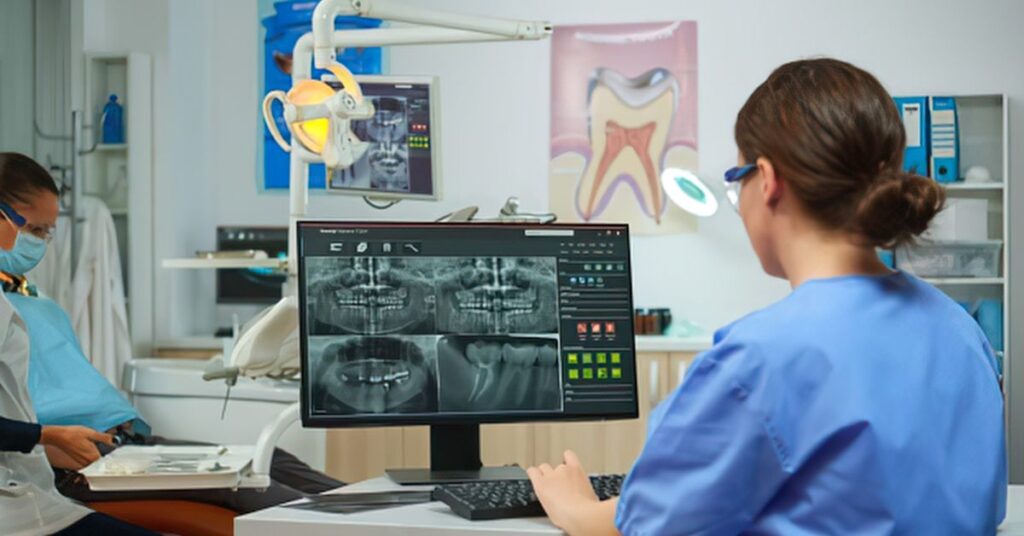
For certain patients, the dentist can place a dental implant during the same appointment as the extraction. An implant is a small titanium or ceramic post that serves as an artificial tooth root. This approach doesn’t suit everyone. Your dentist will evaluate the bone and gum around the tooth, check for infection, review your medical history, and consider where the tooth is located. Imaging such as X-rays or a 3D scan is normally part of the assessment, and in some cases it is safer to let the socket heal before placing the implant.
If you go ahead with immediate placement, the guidance above still applies, along with a few additions:
- Avoid biting down on the implant area, even if it feels secure.
- Follow every instruction about a temporary tooth or cover.
- Keep all follow-up appointments so your dentist can track how the implant is integrating with the bone.
- Stay off tobacco, which can interfere with that integration.
The bone generally takes a few months to bond with the implant, and the permanent crown is usually attached afterward. Timelines are personal, so ask your dentist what to expect.
When to Contact a Dentist
Call if your pain is building instead of fading, if bleeding or swelling isn’t improving, or if something feels wrong and you aren’t sure whether it’s normal. A quick call costs nothing and can prevent a bigger problem.
Duluth Dental Studio offers a wide range of Duluth dental services, including extractions and tooth replacement options, and provides family dental care for patients of all ages. If a broken or painful tooth can’t wait, an emergency dentist in Duluth can examine it and discuss what to do next. The office is at 3575 Koger Blvd, Suite 160, Duluth, GA 30096. Phone ahead, since same-day availability can change.
Frequently Asked Questions
1. How long does an extraction site take to heal?
2. When can I brush again?
3. Can I have coffee or alcohol?
4. What should a healing socket look like?
5. Is a same day tooth extraction and implant right for everyone?
6. When can I return to work or exercise?
7. Is bleeding on the second day normal?
Conclusion
Healing well after an extraction comes down to a few steady habits: protect the clot, clean gently, eat soft foods, and take note of anything that seems off. If you are exploring a same day tooth extraction and implant, careful aftercare carries even more weight. Your dentist’s personal instructions always come before general information like this.
Author Bio:
Dr. Maulik Gandhi earned his Doctor of Dental Surgery degree from Indiana University and brings years of hands-on experience paired with a patient-first approach to every case. At Duluth Dental Studio, he provides everything from preventive checkups to cosmetic and restorative treatments.
3575 Koger Blvd, Suite 160
Duluth, GA 30096
Phone: 770-696-4144
Email: staff@duluthdentalstudio.com


