

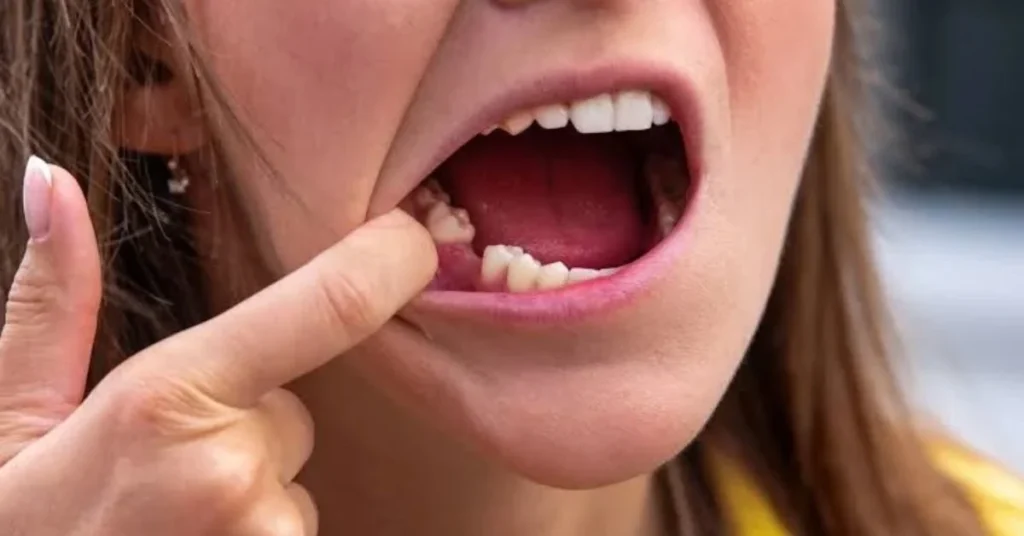
The first few days after a tooth comes out are when most of the healing groundwork gets laid. This guide covers what to do, what to leave alone, how aftercare changes with a same day tooth extraction and implant, and which warning signs are worth a phone call to your dentist.
Why the Blood Clot Gets So Much Attention
After an extraction, a clot forms in the empty socket and seals it. Underneath are bone and nerve endings that don’t like being exposed, and the clot is also where new tissue starts to grow. That’s why nearly every instruction you’ll hear is a version of “leave it alone.”
If the clot gets lost early, you can end up with dry socket, which dentists call alveolar osteitis. The telltale pattern is pain that gets worse around the second to fourth day instead of easing off, sometimes spreading toward the ear. Smoking and lower wisdom tooth removal both make it more likely.
Whatever your dentist or oral surgeon hands you in writing takes priority over anything here. They know your tooth, your health history, and how the procedure went. This article is general background.
The First Day or Two
Bleeding and gauze
You’ll leave the office with gauze over the site. Bite down on it with steady, firm pressure for 30 to 45 minutes. If it’s still oozing afterward, put in a fresh piece and bite down again. A bit of pink in your saliva on day one is expected. Blood that keeps soaking through gauze despite pressure is not, and that’s a call to the office.
Swelling and pain
Put an ice pack in a thin towel and hold it against your cheek for 15 to 20 minutes, then give it a similar break. Swelling usually builds for a couple of days before it starts going down. Sleeping with an extra pillow under your head can help.
For pain, use whatever was prescribed, and take antibiotics all the way through if you got them. Aspirin is often avoided because it can make bleeding worse, but ask your dentist what they’d rather you use. Anyone with kidney or liver disease, past stomach ulcers, or a blood thinner prescription should check with a doctor first. Some prescription pain medicines make you drowsy, so hold off on driving until you know how yours affects you.
Eating and drinking
Go soft and keep it cool or lukewarm: yogurt, eggs, mashed potatoes, oatmeal, applesauce, a mild soup. Eat with a spoon, chew on the other side, and drink plenty of water. Firmer foods can come back gradually once chewing doesn’t hurt.
Rest
Plan on taking it easy for the first day at least. Lifting and hard workouts raise your blood pressure, which can bring the bleeding back. If your extraction was surgical, ask how long to wait before exercising.
Habits That Undo the Healing
A few everyday things can dislodge the clot. Smoking and vaping are the biggest, since nicotine cuts blood flow to the gums and the suction can pull the clot out. Stay off tobacco for as long as your dentist recommends, and if you can stretch it longer, do.
Straws work the same way through suction, so drink from a cup for a day or two. Spitting hard or swishing aggressively has the same effect, so let liquid run out of your mouth into the sink instead. Resist the urge to explore the socket with your tongue, a finger, or a toothpick.
Alcohol and very hot drinks can irritate the area, and alcohol doesn’t always mix well with pain medication. Crunchy, seedy, or sticky foods tend to get trapped in the socket. After an upper tooth extraction, blowing your nose hard or stifling a sneeze creates pressure near the site. If a sneeze is coming, open your mouth.
Keeping Your Mouth Clean
You still need to brush and floss, just with some care. Clean your other teeth as usual and stay away from the extraction site and the teeth beside it until your dentist okays it.
After the first 24 hours, many dentists suggest a gentle rinse with warm salt water, around half a teaspoon in a cup. Tip it from side to side rather than swishing. Some offices ask you to wait longer or give you a medicated rinse, so go with what you were told.
Aftercare With a Same Day Tooth Extraction and Implant
Sometimes a tooth is removed and an implant goes in during the same appointment. Whether that’s a good idea depends on things only an exam can show: how much healthy bone you have, whether there’s infection around the tooth, the state of your gums, your medical history, and which tooth it is. It isn’t right for everyone, and a dentist can tell you if it’s a reasonable option in your case.
With this approach you’re healing two things at once. The socket needs to close up, and the implant has to stay put while it bonds with the jawbone, a process called osseointegration that takes weeks to months.
That usually means stricter rules. You might be told to avoid chewing on that side, stay on soft foods for longer, and skip tobacco completely, since smoking is linked to more implant problems. A special rinse or antibiotics are also common. The crown or bridge that attaches to the implant falls under dental implant restorations, and it typically goes on later, once healing allows. Don’t skip follow-up visits just because your mouth feels fine.
If you’re researching dental implants in Duluth, GA, bring your recovery questions to the consultation. Duluth Dental Studio, at 3575 Koger Blvd, Suite 160, can walk you through what aftercare would look like for your situation.
When to Call Your Dentist
Some soreness, mild swelling, and light oozing are normal. Call the office if bleeding won’t slow down with firm pressure, if pain is getting worse after the second or third day, or if swelling keeps growing after the first few days. The same goes for fever, a foul taste or smell, pus at the site, or a socket that looks empty with bone showing.
Trouble breathing or swallowing, or swelling that spreads toward the eye or neck, calls for urgent medical care right away. If a problem hits after hours, an emergency dentist in Duluth can evaluate severe pain, bleeding that won’t stop, or a possible infection without making you wait for a routine appointment.
Frequently Asked Questions
1. How long does recovery take?
2. When can I eat normally again?
3. Can I exercise after an extraction?
4. How can I tell if I have a dry socket?
5. Is aftercare different with a same day tooth extraction and implant?
6. Can I smoke after an extraction?
7. Does every extraction require antibiotics?
Conclusion
How you handle the first few days has a big effect on the rest of your recovery. Protect the clot, keep the swelling down, eat gently, and skip smoking, straws, and hard rinsing. If a same day tooth extraction and implant is something you’re considering, ask how it changes your aftercare and what each stage of healing involves. And if something feels wrong, call early, because problems after an extraction are much easier to treat when they’re caught quickly.
Author Name
Dr. Maulik Gandhi
Author Bio
Dr. Maulik Gandhi provides preventive, restorative, cosmetic, and surgical dental care at Duluth Dental Studio. His approach focuses on helping patients understand their treatment options and make informed decisions about their oral health.
3575 Koger Blvd, Suite 160
Duluth, GA 30096
Phone: 770-696-4144
Email: staff@duluthdentalstudio.com


