

If you’ve lost a tooth or are about to, you probably want to know what replaces it and how long that takes. This guide covers how dental implant restorations work, when an extraction and implant can happen in one visit, who might need to wait, and what to ask before agreeing to treatment.
What the “Restoration” Part Means
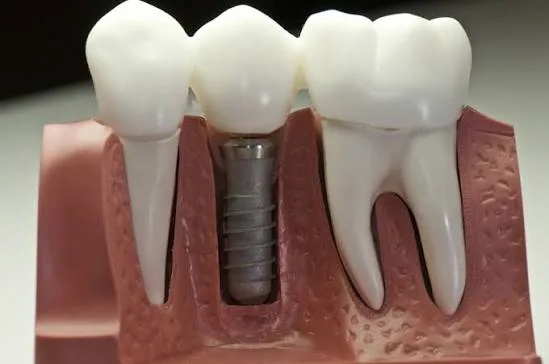
Most people hear “implant” and picture the whole tooth. It’s actually two things. The implant is a titanium post that goes into the jawbone and acts as a root. The restoration is the part you see and chew with: a crown if one tooth is missing, a bridge for a few in a row, or a denture that snaps onto several posts.
So when a dentist talks about dental implant restorations, they mean that final piece, made to match your bite and the color and shape of the teeth around it. A lab usually makes it from impressions or a digital scan, and it’s fitted after the post has bonded with the bone. That bonding is called osseointegration, and it’s the reason implants feel so stable.
Pulling a Tooth and Placing an Implant Together
The usual assumption is that you extract, then wait a few months for the socket to heal, then get the implant. Often that’s exactly what happens. But in some cases the dentist removes the tooth and places the implant in the same appointment. You’ll see this called same day tooth extraction and implant treatment.
The appeal is simple. You skip a second surgery, and the socket is already shaped to guide the implant. Bone and gum tissue also tend to hold their shape better when the implant goes in early, instead of letting the area shrink while it heals.
Still, it only works when the conditions are right. A dentist can’t tell that from a phone call or a website. It takes an exam and usually a 3D scan.
When Waiting Is the Better Call
A dentist may suggest holding off if the tooth is infected, since the infection generally needs to be cleared first. The same goes for thin or damaged bone that can’t anchor the post firmly. Untreated gum disease is another reason to delay, as is poorly controlled diabetes, which slows healing.
Smoking also matters. It’s linked to higher implant failure, and many dentists ask patients to cut back or stop. Certain medications, including some drugs used for osteoporosis, can affect how the jaw heals, so tell your dentist about everything you take.
None of this means you’re out of luck. It means the sequence might change, perhaps with a bone graft or a few months of healing first.
How Treatment Usually Unfolds
Every case differs, but the general path looks like this.
The first visit is mostly information gathering. Expect a review of your medical history, an exam, and X-rays or a 3D image. The scan shows how much bone you have and where nerves and sinuses sit, which is a big part of avoiding surprises later.
Extraction, if it’s needed, happens under local anesthesia, and some offices offer sedation too. The dentist cleans out the socket thoroughly before anything else goes in.
Placement comes either right then or after the site has healed. If the bone is thin, a graft adds material to build it up. Grafts are routine and don’t signal a problem.
Healing takes the longest. Bone typically needs a few months to bond with the implant, depending on your bone quality and where in the mouth the implant sits. Some people wear a temporary tooth meanwhile, though it usually needs to stay out of heavy chewing.
The final restoration goes on once the implant is secure. The dentist attaches a small connector called an abutment, then fits the permanent crown, bridge, or denture and checks your bite. Minor adjustments are normal.
What Implants Do Well, and Where They Fall Short
An implant sits on its own. A traditional bridge, by comparison, needs the teeth beside the gap to be ground down for support. Implants also put pressure on the jawbone when you chew, which helps keep it from thinning where the tooth used to be. And many people find them steadier than a removable denture.
On the other side of the ledger, they cost more up front than most alternatives, and treatment can stretch across several months. Insurance coverage varies a lot. Some plans pay a portion and others pay nothing, so get that answered before you start.
There are surgical risks as well, such as infection, irritation of a nearby nerve, sinus problems with upper teeth, and in some cases the implant simply not bonding. These aren’t common in healthy patients who follow instructions, but no dentist can honestly promise a specific outcome or a number of years.
Looking After the Implant
An implant can’t decay, which surprises some people. The gum and bone around it are another story. Plaque can inflame them, a condition called peri-implantitis, and it’s one of the main reasons implants fail down the road.
So the routine is mostly what you’d expect. Brush twice a day, clean between your teeth and around the post, and keep your regular checkups. Skip the ice chewing and the hard candy, which can chip a crown. If you grind your teeth at night, ask whether a night guard would protect the restoration.
Choosing Who Does the Work
Implant work is surgical, and dentists build that skill through extra training and practice. It’s fair to ask how many implant cases a provider handles, what materials they use for the crown, and how they deal with complications. A good office will answer without hurrying you.
If you’re searching for dental implants Duluth GA patients can reach, look at how clearly a practice lays out its plan, costs, and alternatives. Duluth Dental Studio is at 2882 N. Druid Hills Rd, Suite A, Atlanta, GA 30329, and a consultation there, or at any office you’re considering, is a good time to ask whether same-day placement suits your mouth. A trustworthy dentist will tell you plainly when waiting is the safer route.
Frequently Asked Questions
1. Can everyone have a same day tooth extraction and implant?
2. Will it hurt?
3. How long do dental implant restorations last?
4. How long is recovery?
5. What will it cost?
6. Can I get an implant if I have gum disease?
Conclusion
Losing a tooth doesn’t automatically mean a long, awkward wait, but the right plan depends on your health, your bone, and what you want from the result. For some patients, extraction and implant placement in one visit saves time. For others, a slower, staged approach is safer. Either way, well-planned dental implant restorations can bring back chewing function and a natural look.
Start with a proper exam and an open conversation about the options, risks, and costs. Duluth Dental Studio, or any qualified dental office, can look at your scans and tell you what’s realistic in your case.
Author Bio:
Dr. Maulik Gandhi earned his Doctor of Dental Surgery degree from Indiana University and brings years of hands-on experience paired with a patient-first approach to every case. At Duluth Dental Studio, he provides everything from preventive checkups to cosmetic and restorative treatments.
3575 Koger Blvd, Suite 160
Duluth, GA 30096
Phone: 770-696-4144
Email: staff@duluthdentalstudio.com


