

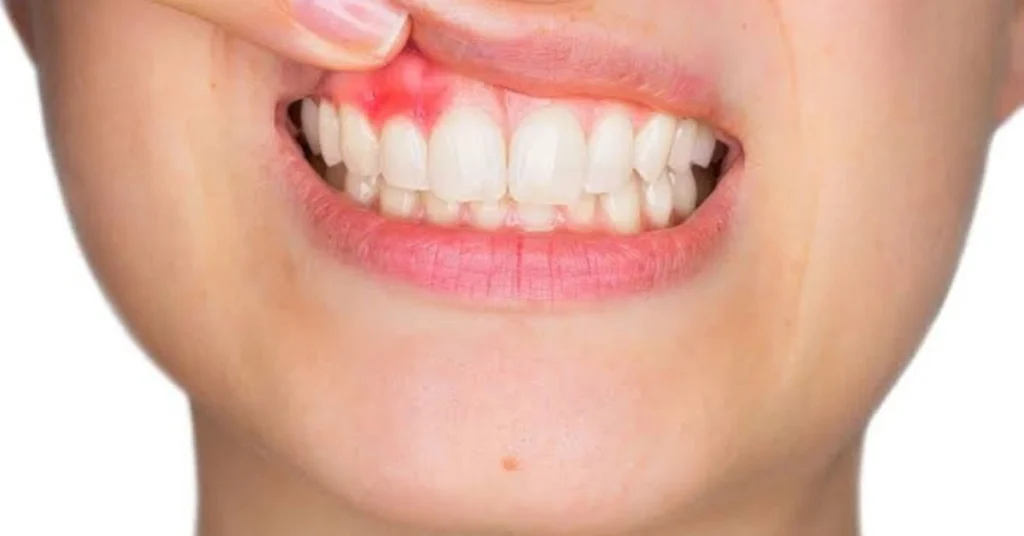
We see it constantly. The patient walks in, no cavities, no chips, smile looks great, and their gums bleed the second they touch a toothbrush. It still surprises people. It’s a classic case of good teeth bad gums, and it’s more common than most people think. Teeth and gums just aren’t fighting the same fight, so one holds up fine while the other falls apart underneath it, quietly, for years usually, because gum disease doesn’t hurt until it’s already done damage.
Why Healthy Teeth and Unhealthy Gums Can Exist Together
Enamel’s job is keeping decay out. Fluoride toothpaste and less sugar keep that layer strong. Gums don’t work that way. Plaque builds up on teeth constantly, and if it sits along the gumline too long, it irritates the tissue, then hardens into tartar within days. Once it’s tartar, brushing does nothing. You need a dentist or hygienist to scrape it off. There’s no home fix for that part.
Genetics, smoking, hormones, and certain medications, none of it shows up in the mirror. Someone can go ten years without a cavity and still be losing bone under their gums the whole time, without a clue.
Warning Signs You Should Not Ignore
The first sign is usually bleeding when you brush or floss, and no, that’s not normal, not even occasionally. Red gums, swollen gums, breath that won’t quit, gums pulling back so teeth look longer than they used to, a bite that suddenly feels off, pus near the gumline. Any of that, it’s worth paying attention to.
Here’s what trips people up, though: they see blood and stop flossing. That’s the wrong move. The bleeding is inflammation, not a reason to back off, and the fix is more gentle cleaning right there, not less.
The Stages of Gum Disease
It starts with gingivitis. Gums are red and puffy and bleed easily, but the bone underneath is still fine, which is the good part. Catch it now and it reverses completely, usually with better brushing and flossing plus one professional cleaning.
Keep ignoring it, and it turns into periodontitis. The infection moves below the gumline, pockets form between gum and tooth, and bone starts breaking down. That bone is gone for good once it’s gone. Treatment stops it from getting worse, but it doesn’t bring back what’s already lost.
Advanced periodontitis is just further down that same road: deeper pockets, more bone gone, teeth loosening, sometimes past saving. Over 40 percent of US adults 30 and older have periodontitis, according to the CDC, and most have no idea.
Who Is More Likely to Develop It
Good brushing only gets you so far. Smokers and tobacco users, we see far more gum disease in that group, full stop. Diabetes cuts both ways: poor blood sugar control makes gum infection worse, and gum infection makes blood sugar harder to control. Pregnancy and menopause raise gum sensitivity too, something nobody warns people about until they’re asking us why their gums suddenly changed. Dry-mouth medications mean less saliva, which means less rinsing away of bacteria. Family history matters. So does crowding or old dental work that traps plaque somewhere a toothbrush can’t reach. Does any of this sound familiar? Mention it next time you’re in the chair.
Daily Habits That Protect Your Gums
Brush twice a day for two minutes with a soft brush and fluoride toothpaste. Angle toward the gumline, short strokes, gentle rather than scrubbing. An electric brush helps if you’re not sure you’re doing it right.
Floss once a day, and actually do it properly: a C-shape around each tooth, sliding it below the gumline instead of just snapping it down between teeth. If floss doesn’t cooperate with your hands, interdental brushes or a water flosser work just as well.
The rest of it isn’t exciting. Brush your tongue. Swap your toothbrush every three or four months. Drink water throughout the day. Cut back on sugar in favor of fruit, vegetables, and calcium. And if you smoke, quitting beats everything else on this list combined, by a lot.
What Professional Gum Care Involves
A toothbrush won’t touch tartar. That’s really the whole reason cleanings exist. We check the space between the gum and tooth with a small probe, and take x-rays when we need to see what’s happening at the bone. Shallow pockets mean healthy gums. Deeper pockets mean disease, no matter how the teeth up top look.
For gingivitis, a good cleaning plus better habits at home usually clears it up, nothing dramatic needed. Once pockets have formed, that’s when scaling and root planing comes in, a deeper cleaning below the gumline that smooths the roots so gum tissue can reattach. Some patients end up on a three or four month cleaning schedule after that instead of twice a year. Advanced cases sometimes go to a periodontist, someone who treats nothing but gum disease, all day, every patient.
When to Call a Dentist
Bleeding for more than a week or two despite decent home care? Swollen or tender gums, a loose tooth, breath that just won’t clear up? Call. Facial swelling, fever, or a painful abscess isn’t something to wait on. Call us the same day.
Frequently Asked Questions
1. Can gum disease be cured?
2. Why do my gums bleed when my teeth feel fine?
3. Can mouthwash fix bad gums?
4. Does gum disease affect the rest of the body?
5. How often should I have my teeth cleaned?
6. Does gum disease hurt?
Conclusion
Good teeth, bad gums isn’t a contradiction. It’s actually one of the more common things we see. Teeth can look perfect while gums are a mess underneath, and that’s really the whole point here. Brush and clean between your teeth every day, skip the tobacco, keep your checkups, and don’t just wait out bleeding gums hoping they sort themselves out. Yours been bleeding, swelling, pulling back? Come in and let us take a look before it goes further. If it’s been a while since your last cleaning and exam, that’s usually where we start.
Call Duluth Dental Studio at 770-696-4144 or visit us at 3575 Koger Blvd, Suite 160, Duluth, GA 30096.
We’re also proud to welcome patients from nearby communities who come to us for trusted cosmetic dental care, including:
Every patient gets a personalized plan built around results that look and feel completely natural.
Author Bio
Dr. Maulik Gandhi, earned his dental degree from Indiana University School of Dentistry and provides preventive, restorative, cosmetic, and surgical dental care, including the early diagnosis and treatment of gum disease.
3575 Koger Blvd, Suite 160
Duluth, GA 30096
Phone: 770-696-4144
Email: staff@duluthdentalstudio.com


