
When a tooth is missing for a long time, the jawbone in that area can begin to shrink. This is a common and natural process, but it can create problems later if you want to replace the tooth or maintain healthy support for nearby teeth. Bone grafting is a procedure used to rebuild areas of bone that have weakened or thinned over time. At Duluth Dental Studio, we use bone grafting to help restore structure and create a healthier foundation for future treatment. Many patients who come in for general Duluth dental services are surprised to learn how important bone support is for long-term oral health.

Surgical Expertise in Bone Regeneration
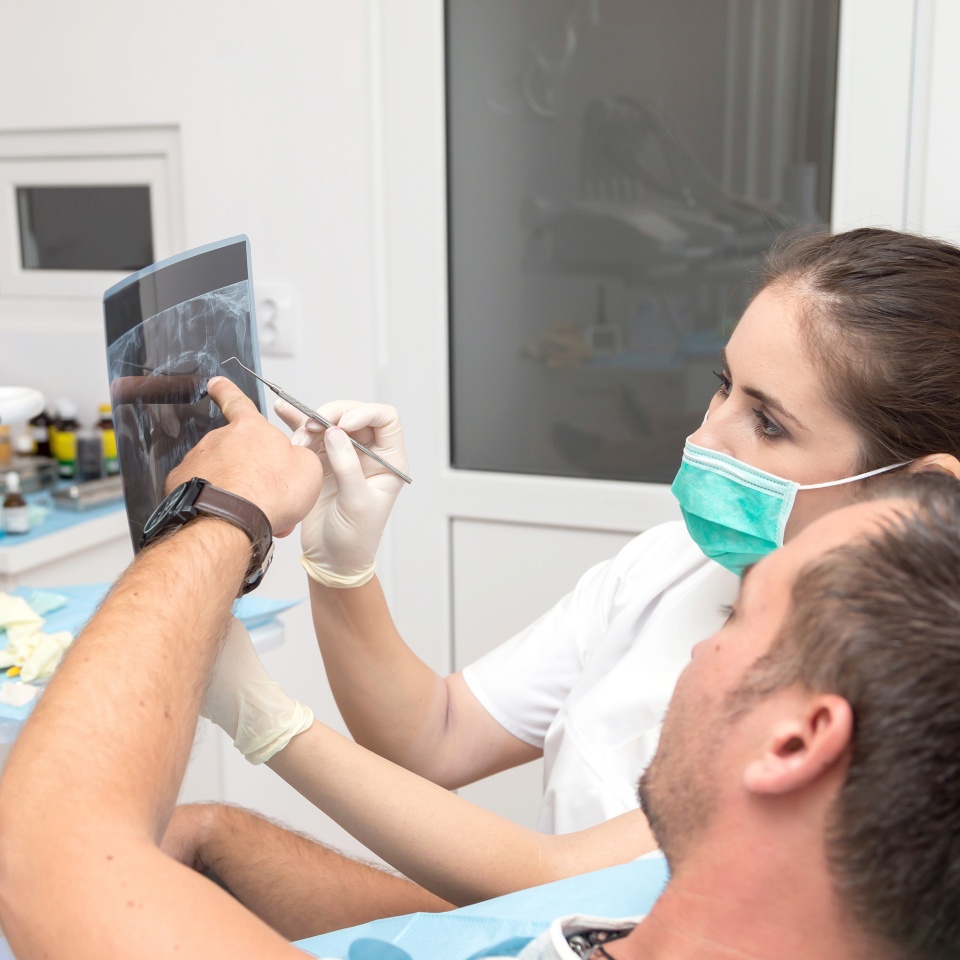
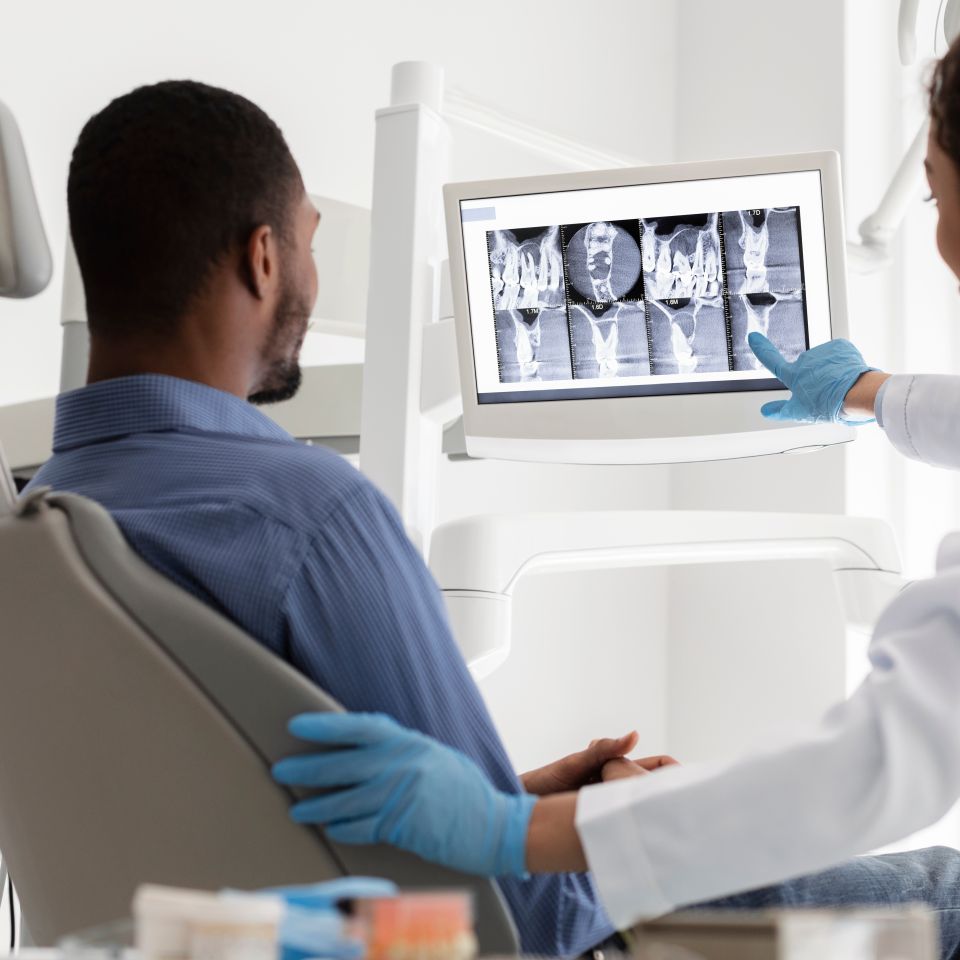
Bone grafting requires careful planning and a steady, experienced approach. Every case is different, which is why we begin with imaging and a detailed exam to understand the amount of bone loss and the best way to rebuild the area. Some patients need only minor grafting after an extraction, while others require more support before implants can be placed. We explain the process clearly so you know what is being recommended and why. Patients often feel more comfortable once they understand that bone grafting is not an extra step; it is often the step that makes successful treatment possible.
What Is Bone Grafting
Bone grafting involves placing grafting material into an area where bone has been lost or weakened. Over time, your body integrates that material and begins forming stronger, healthier bone in the treated area. The purpose is to restore support beneath the gums, improve jaw stability, and create better conditions for future dental work. It is commonly used after tooth loss, advanced gum disease, trauma, or when the jaw has changed shape over time. Although the name may sound complex, the goal is simple: rebuild the foundation so your smile has proper support again.

Bone Grafting for Dental Implants
Dental implants need healthy bone to stay secure. If there is not enough support in the jaw, placing an implant may not be stable or predictable. Bone grafting helps solve that problem by rebuilding the area first. Many patients searching for a dentist specializing in dental implants learn that grafting may be part of the treatment plan. It does not mean implants are off the table; it usually means we are preparing properly for long-term success. Taking the time to strengthen the jaw often leads to better implant stability, function, and appearance later.

Types of Bone Grafts
There are different types of bone grafting materials, and the right choice depends on your specific needs. Some grafts are used for small areas after an extraction, while others are chosen for larger rebuilding needs. We may recommend preserving bone immediately after tooth removal or rebuilding an area that has changed over time. The best option depends on your jaw structure, treatment goals, and overall health. Patients dealing with sudden pain often search for an emergency dentist in Duluth, and in some cases, urgent extractions are followed by grafting to protect future options.

What to Expect During Bone Grafting
Before treatment, we explain the procedure in clear terms so you know what to expect. The area is numbed thoroughly, and sedation may be available if needed for comfort. During the procedure, grafting material is placed where support is needed, and the site is protected so healing can begin. Most patients say the experience feels easier than they imagined. Some mild soreness afterward is normal, but recovery is usually manageable with simple aftercare. Healing takes time because your body needs to build new bone gradually beneath the surface.
Why Choose Duluth Dental Studio for Bone Grafting
Choosing the right team for bone grafting is about more than the procedure itself. You want clear communication, careful planning, and treatment focused on long-term results. At Duluth Dental Studio, we take time to answer questions and build a plan that fits your needs instead of rushing into treatment. Whether you need grafting after an extraction or as part of implant preparation, we are here to guide you through the process comfortably. Our goal is to help patients feel informed, supported, and confident about the next step in restoring their smiles.
We offer this service at our Marietta and Buford clinics.
Frequently Asked Questions About Bone Grafting
Bone grafting rebuilds areas of the jaw where bone has been lost, helping restore support for implants, teeth, and overall oral health.
Dental implants need healthy bone to stay secure. If support is limited, grafting helps strengthen the area before placement.
The area is numbed during treatment, and sedation may be available. Mild soreness afterward is common, but most patients recover comfortably.
Healing often takes several months because the graft must integrate with your natural bone before further treatment begins.
Yes. Bone grafting can preserve or rebuild jaw support, making implants and other restorative treatments more successful later.


