

A lot of people lose a tooth and think the only change is the empty space. What many do not realize is that the bone underneath can slowly shrink afterward. It happens quietly, and most patients only hear about it later when they ask about implants or other replacement options. Ridge augmentation is a way to rebuild that area so there is better support again. In simple terms, we are restoring the shape and strength that was lost. At Duluth Dental Studio, we explain things in plain language and help patients understand what matters now and what can wait. Many people already visiting us for duluth dental services discover this treatment gives them more options than they expected.
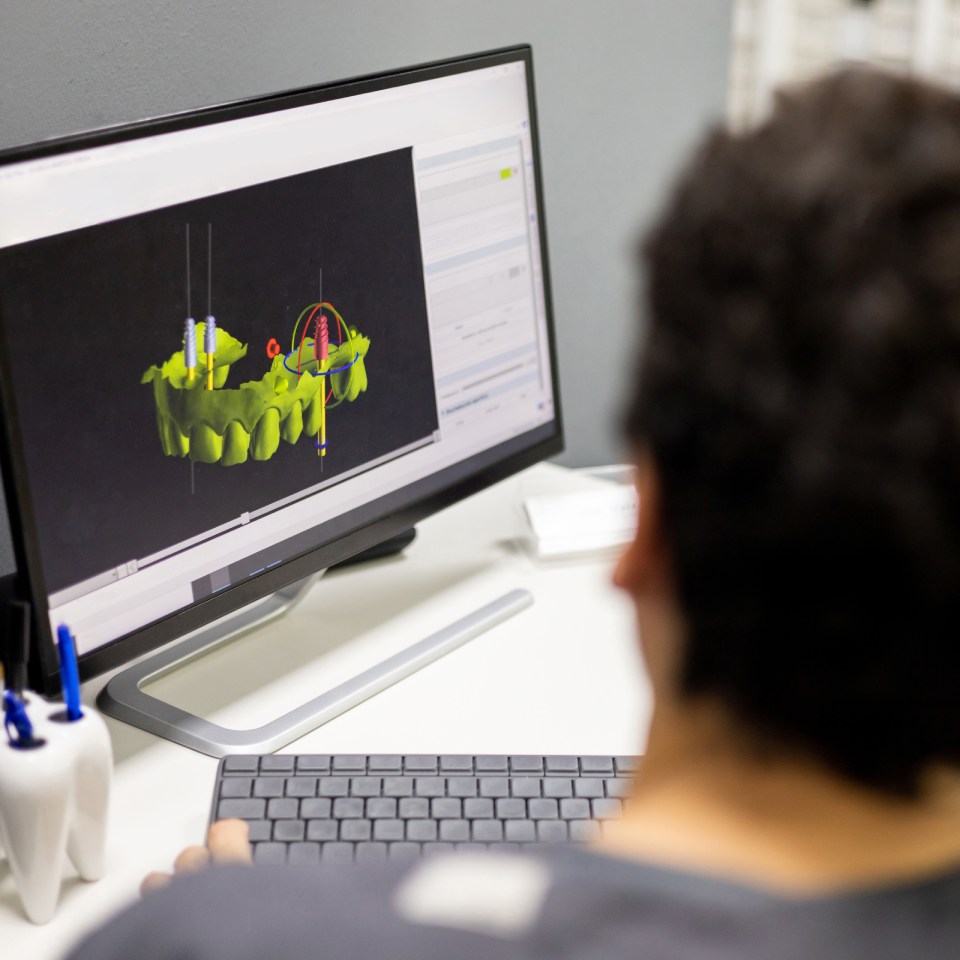
Reconstructive Expertise for Complex Cases
Some patients need only a small correction. Others have more noticeable bone loss because the tooth has been missing for years, or because infection damaged the area before removal. That is why no two cases look exactly the same. We begin with imaging, measurements, and a real conversation about your goals. If you are hoping for an implant later, we plan with that in mind. If you simply want the area healthier and easier to restore, we consider that too. Patients searching for family dental care duluth often appreciate having one office that can guide them through both routine care and more advanced treatment without sending them all over town.

Understanding Ridge Augmentation
The ridge is the natural curve of bone and gum where teeth once sat. When bone becomes thinner, the gumline can change shape too. That can make replacement teeth harder to place and sometimes harder to blend naturally with the rest of the smile. Ridge augmentation adds grafting material where support is missing. Then the body gradually heals around it and strengthens the area. It is not an overnight fix, but it is often a smart one. Instead of forcing treatment onto weak support, we rebuild the base first. That usually creates better long-term results and fewer headaches later.
When Ridge Augmentation Is Needed
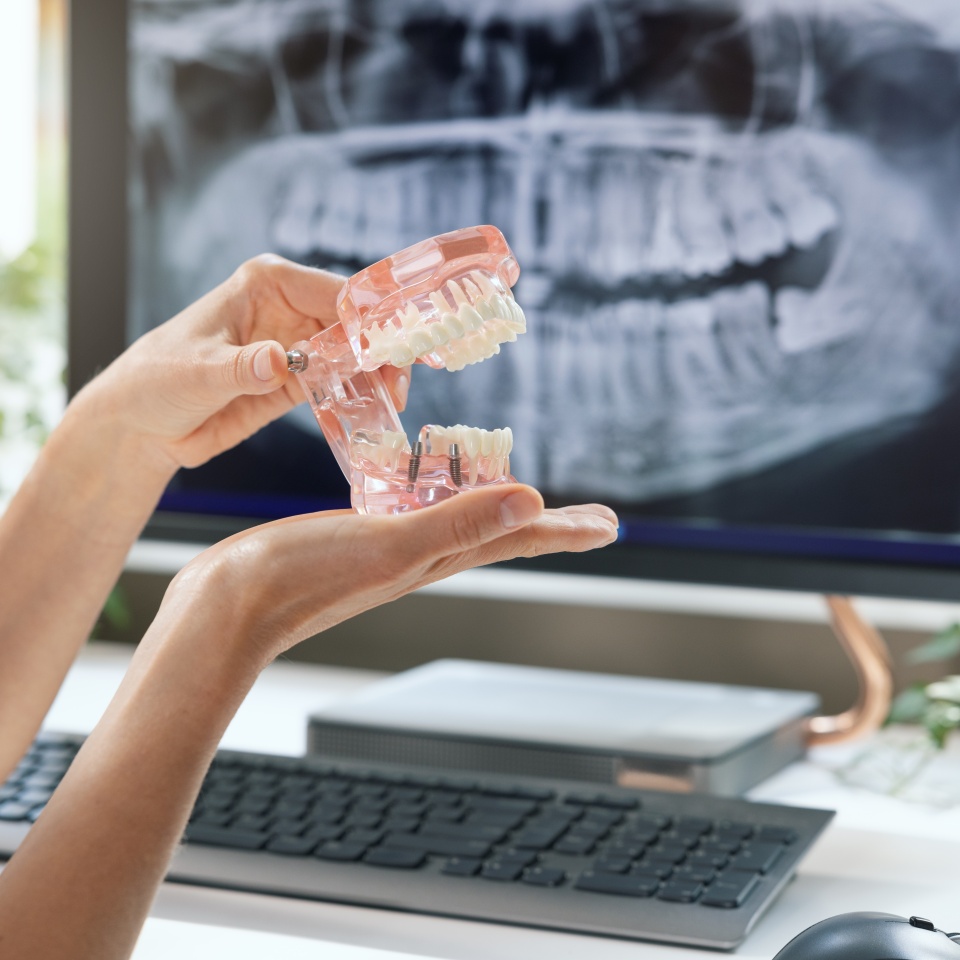
Sometimes we recommend this procedure before placing a dental implant. Other times, it is suggested after an extraction to preserve the area early. If bone loss has already happened, rebuilding first may prevent future limitations. Patients asking about same day tooth extraction and implant often learn that timing depends on bone condition. In some mouths, immediate placement works well. In others, preparing the site first is the wiser route. Every case is different. Our job is to be honest about what gives you the best chance of success instead of rushing into something because it sounds faster.
Ridge Augmentation and Smile Aesthetics
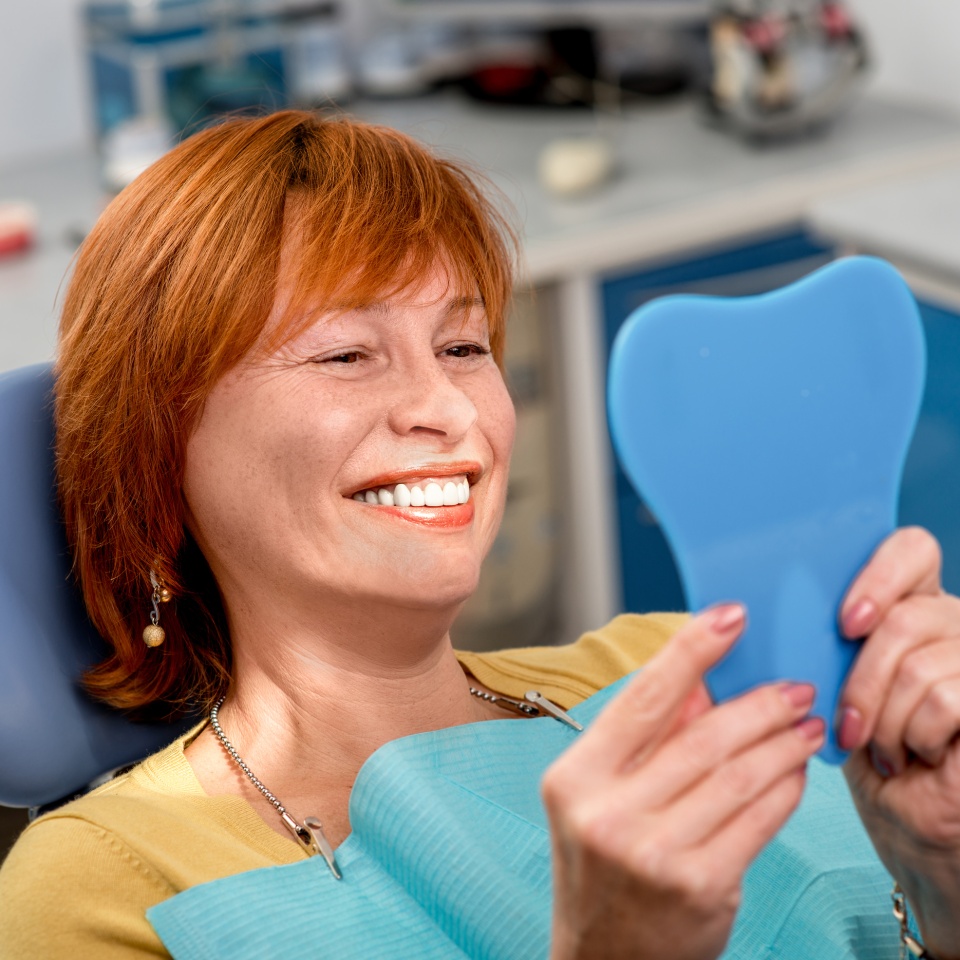
This is not only about strength. Appearance matters too. When bone shrinks, the gums can look sunken or uneven, especially near visible teeth. That can make even high-quality dental work look slightly off. Rebuilding the ridge can help create a smoother, more natural contour before an implant or bridge is placed. Patients are often surprised that something happening under the gums can change the final smile so much. It is one of those treatments people rarely know about until they need it, but once explained, it makes perfect sense.

Why Choose Duluth Dental Studio for Ridge Augmentation
Patients do best when they understand the reason behind treatment. That is how we approach care here. No pressure, no confusing explanations, no pushing unnecessary steps. We look at the condition of the area, explain the options clearly, and help you choose what fits your goals.
If coming to Duluth is inconvenient, that is not a problem. We also provide this treatment at our Marietta and Buford offices, so you can choose the location that works best for you while receiving the same standard of care.
Good treatment should feel accessible, not complicated.
Frequently Asked Questions About Ridge Augmentation
It is a procedure that rebuilds jawbone lost after tooth removal or bone shrinkage, creating better support for implants or future restorations.
No. Some patients keep enough bone naturally. Others lose support over time and benefit from rebuilding the area first.
The area is numbed during treatment. Mild soreness afterward is normal, but most patients say recovery is manageable.
Healing often takes several months because the graft needs time to integrate and strengthen the bone naturally.
Sometimes yes, sometimes no. It depends on how much healthy bone is already present and what gives the best long-term result.
If support is weak, rushing into treatment can lead to poorer stability, appearance, or long-term success.


