
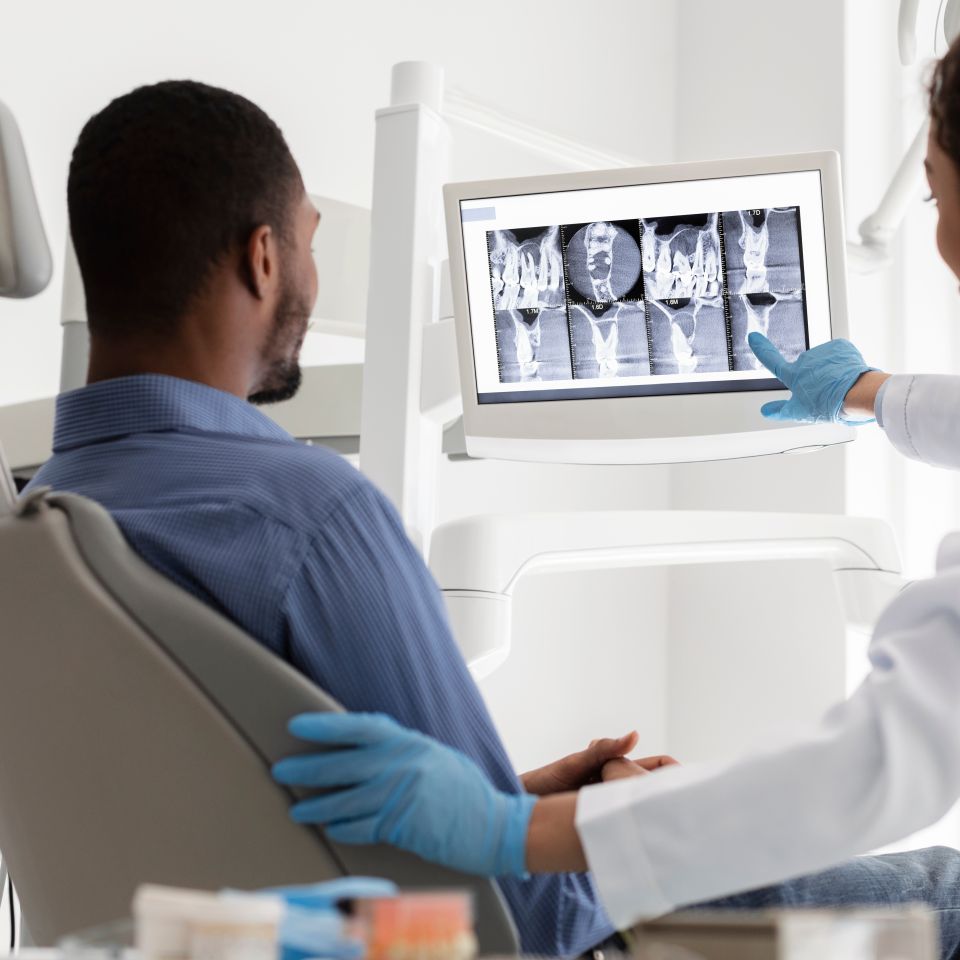
If you have pain in the back of your mouth, swollen gums, or pressure that keeps coming back, an impacted tooth could be the reason. An impacted tooth is one that cannot fully come through the gums the way it should. It may stay trapped, grow sideways, or only partially erupt. This often leads to irritation, infection, crowding, or jaw discomfort. Many patients wait until the pain becomes hard to ignore, then start searching for an emergency dentist in duluth. At Duluth Dental Studio, we help identify the cause quickly and explain whether removal is the best next step.

Oral Surgery Expertise for Impacted Teeth
Hearing that you may need oral surgery can feel intimidating at first. Most patients imagine something much more difficult than it really is. The truth is, impacted tooth treatment is common and often very manageable with the right planning. We begin with an exam and imaging so we can see exactly where the tooth sits and how it is affecting nearby teeth or bone. Then we explain your options clearly. Our goal is to make treatment feel straightforward, not overwhelming. Good care starts with helping you understand what is happening and why.
Understanding Tooth Impaction
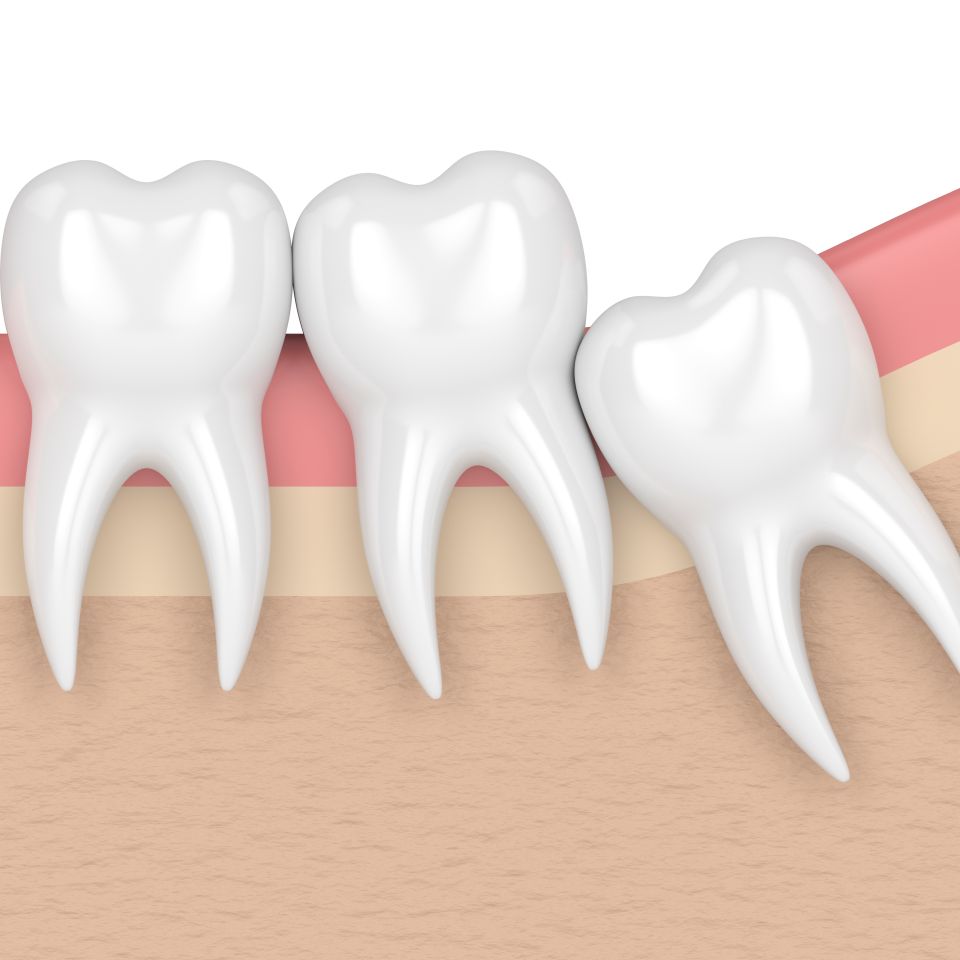
A tooth becomes impacted when something blocks its normal path into place. Sometimes there is not enough room in the jaw. Other times, the tooth develops at an angle or gets stuck against another tooth. Wisdom teeth are the most common example, but other teeth can become impacted too. Some patients have no symptoms at first and only discover the issue during an exam. Others notice pain, swelling, or crowding. Many people visiting for routine duluth dental services are surprised to learn an impacted tooth has been causing problems quietly for some time.

Types of Impacted Teeth
Not all impacted teeth are the same. A fully impacted tooth stays completely under the gums. A partially impacted tooth breaks through only partway, often trapping food and bacteria around the area. Some teeth grow sideways and press against nearby roots, while others remain upright but cannot erupt any further. Wisdom teeth commonly become impacted because they are the last to come in when space is already limited. Canines can also become impacted and may need special treatment depending on their role in the smile and bite.

Signs of an Impacted Tooth
Symptoms can range from mild to frustrating. You might notice soreness near the back teeth, swollen gums, bad breath, headaches, jaw stiffness, or pain while chewing. Some people feel pressure that comes and goes, which makes it easy to ignore until it worsens. Others notice nearby teeth shifting or crowding. If something in your mouth feels off repeatedly, it is worth having it checked. Patients looking for family dental care duluth often appreciate finding one office that can identify these issues early and provide treatment options under one roof.
Treatment Options for Impacted Teeth
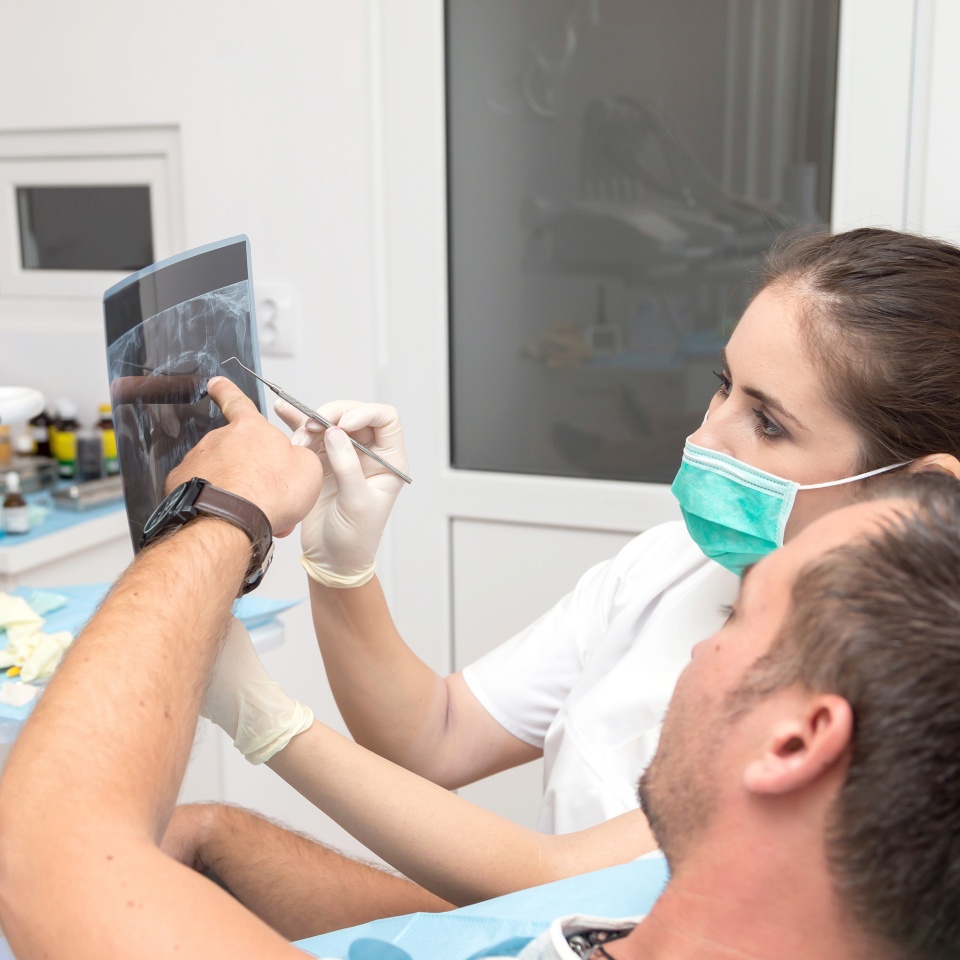
The right treatment depends on the tooth, your symptoms, and whether surrounding teeth are being affected. In some cases, monitoring the tooth over time may be enough. If there is pain, infection, crowding, or damage, removal is usually recommended. For certain impacted canines, exposing the tooth and guiding it into position may be possible instead. Our team explains every option’s advantages and limitations to help you make an informed choice. No one should feel rushed into treatment they do not fully understand.

What to Expect During Impacted Tooth Surgery
Most patients feel much better once they know what the process actually looks like. Before treatment, we review images, discuss comfort options, and answer every question you have. The area is numbed thoroughly, and sedation may be available if you feel anxious. During the procedure, our focus is comfort and protecting nearby tissue while removing the tooth safely. Afterward, some soreness and swelling are normal for a few days, but recovery is usually easier than people expect when instructions are followed carefully.
Frequently Asked Questions About Impacted Teeth
An impacted tooth is a tooth that cannot fully erupt into the correct position because it is blocked or lacks space.
No. Some can be monitored. Removal is usually recommended when pain, infection, crowding, or damage develops.
The treatment area is fully numbed, with sedation available if needed. Mild soreness afterward is common and manageable.
Many patients feel better within a few days, though full healing depends on the tooth and complexity of treatment.
Yes. Pressure and inflammation from an impacted tooth can sometimes cause headaches, jaw soreness, or chewing discomfort.


