
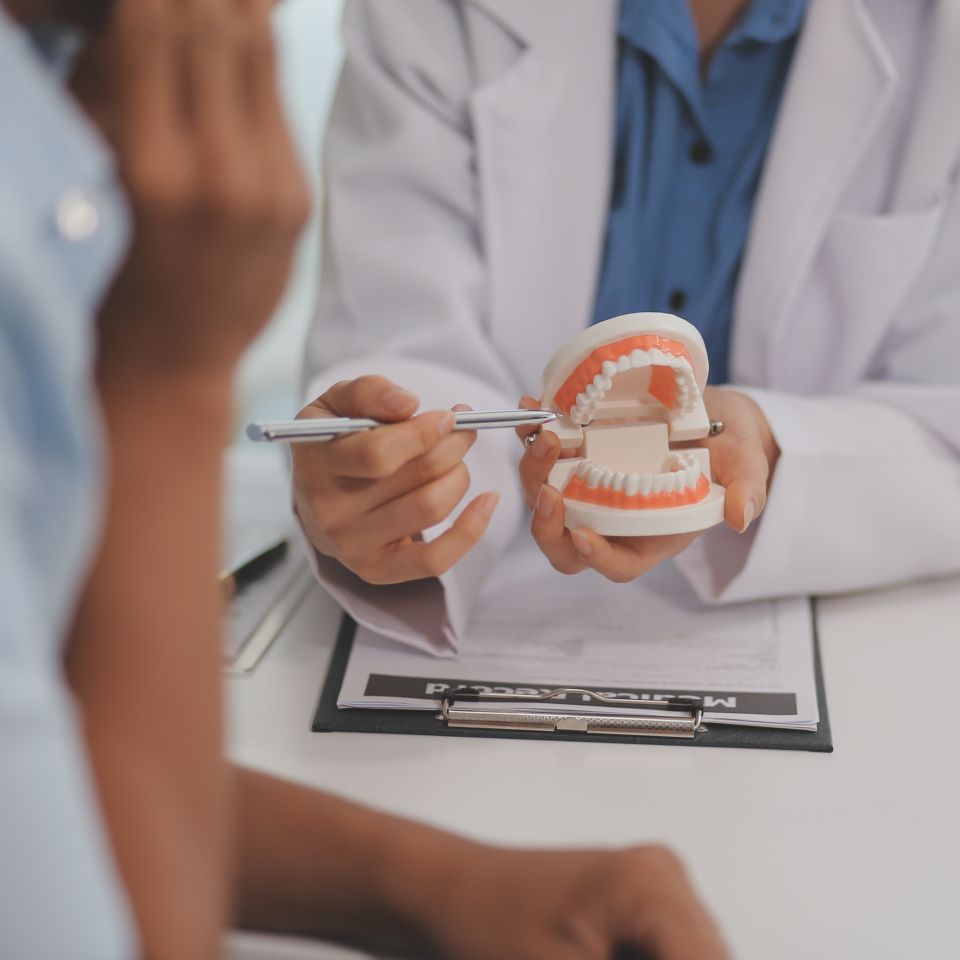
Wisdom teeth usually appear in the late teens or early twenties. Some people never have problems with them, but many do not have enough room in the jaw for these extra molars to come in normally. When space is limited, wisdom teeth may stay trapped under the gums, grow at an angle, or push against nearby teeth. That can lead to pain, swelling, crowding, or repeated irritation. At Duluth Dental Studio, we help patients understand whether removal is necessary now or whether monitoring is still reasonable. Many people already visiting us for duluth dental services are surprised to learn these back teeth may be the cause of ongoing discomfort.
Expert Surgical Care from a Board-Certified Oral Surgeon
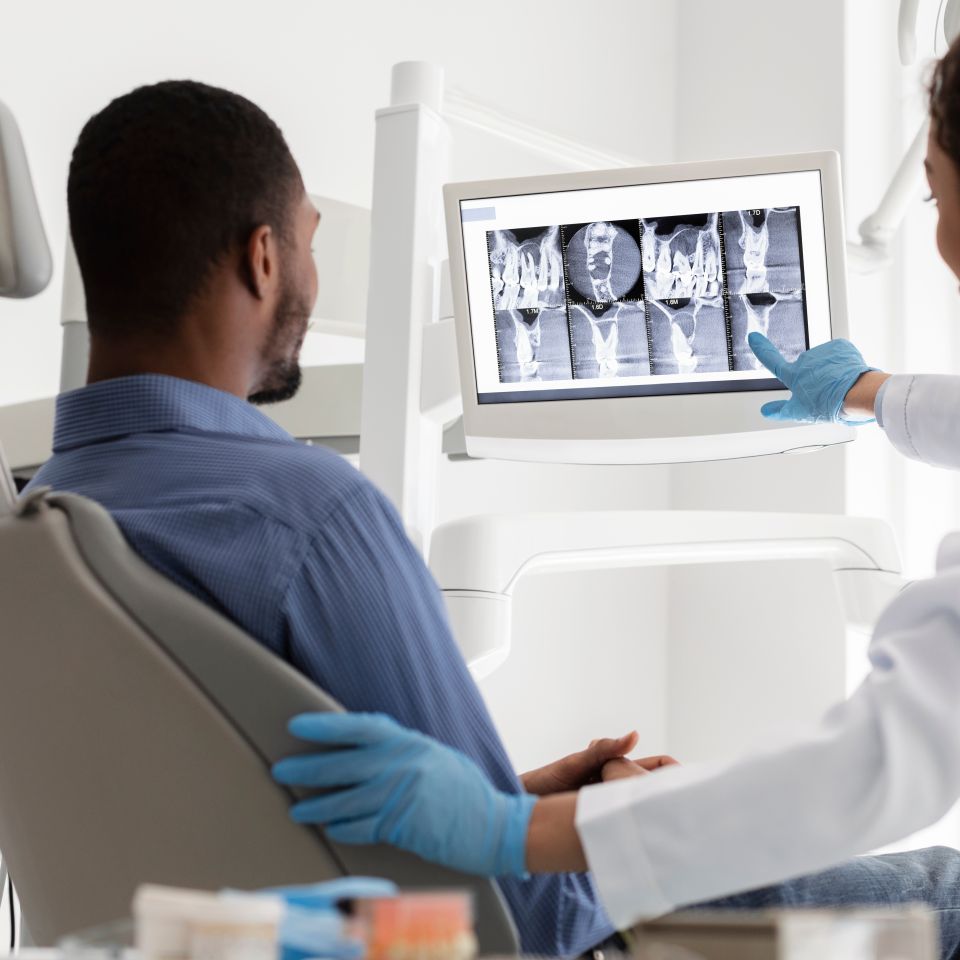
Hearing that wisdom teeth need to come out can feel stressful at first. Most patients imagine a much more difficult experience than what usually happens. The truth is, wisdom tooth removal is a common procedure when planned properly. We begin with imaging to see the exact position of the teeth, root development, and nearby structures. That helps us choose the safest and most comfortable approach. Some extractions are simple, while others need a little more surgical care. Either way, patients often feel better once they know there is a clear plan and an experienced team guiding the process.

Understanding Wisdom Teeth
Wisdom teeth are the last molars to develop. Because they come in after the rest of the smile is already established, there is often limited room left for them. Some erupt normally and never cause trouble. Others stay partially covered by gum tissue or remain completely below the surface. That can trap bacteria, irritate the gums, or create pressure in the jaw. In some cases, nearby teeth may shift over time. Patients looking for family dental care duluth often appreciate having these teeth checked early so problems can be caught before pain begins and treatment becomes more urgent.
Signs You May Need Wisdom Teeth Removed
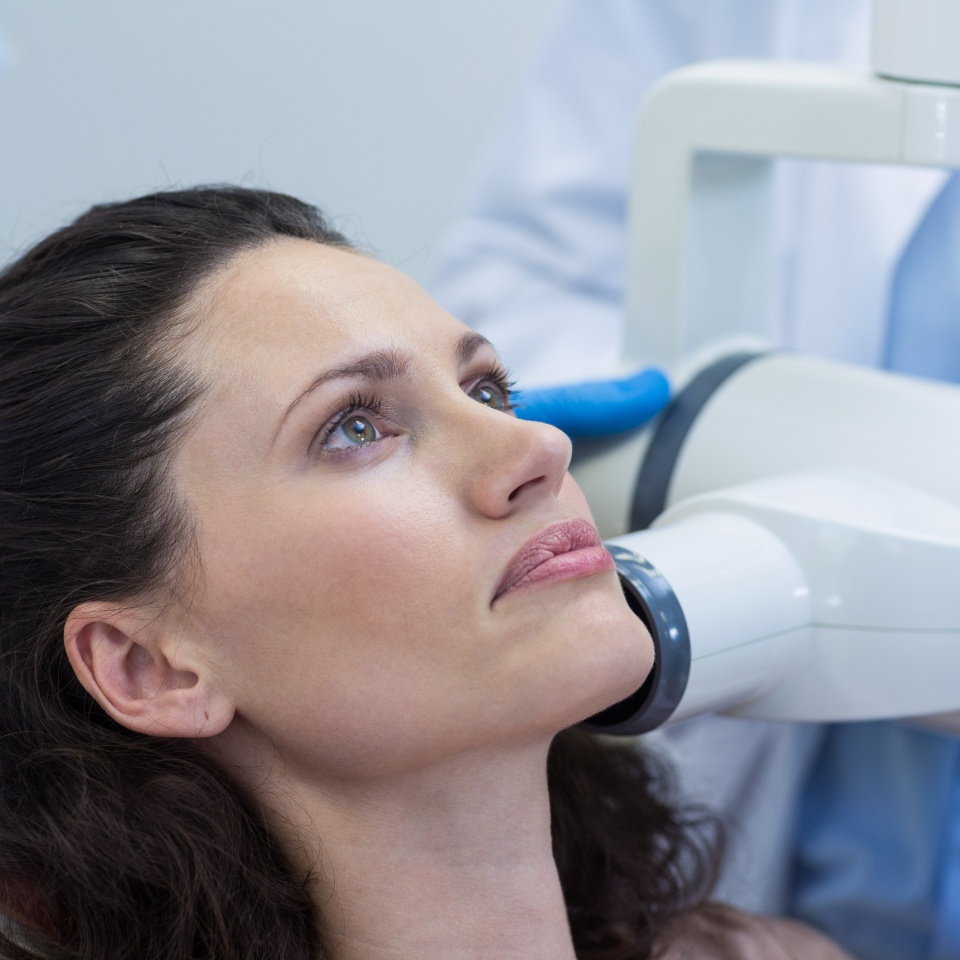
There are a few common warning signs. You may notice swelling behind the last tooth, jaw soreness, headaches, bad breath, difficulty chewing, or pain that comes and goes. Some people feel pressure but cannot tell exactly where it is coming from. Others have no symptoms and only discover a problem during routine X-rays. If repeated irritation or infection keeps returning, removal is often the best long-term solution. Patients asking about same day tooth extraction and implant sometimes learn that wisdom teeth need to be handled first before other restorative treatment can move forward smoothly.

What to Expect During Wisdom Teeth Extraction
Most people feel relieved once they understand the process. Before treatment, we review images, explain each step, and answer your questions so nothing feels uncertain. The area is numbed thoroughly, and sedation may be available if you are anxious. During the procedure, our focus is comfort, careful technique, and protecting nearby tissue. Afterward, some swelling and soreness are normal for a few days, but recovery is usually manageable with rest and aftercare instructions. Many patients later say the anticipation was harder than the actual appointment.

Why Choose Duluth Dental Studio
Choosing where to have wisdom teeth removed is about more than the extraction itself. You want a team that communicates clearly, respects your concerns, and makes the experience feel manageable. At Duluth Dental Studio, we take time to explain recommendations and tailor treatment to your situation instead of using a one-size-fits-all approach.
If you are not available to Duluth location. Then we also provide this treatment at our Marietta and Buford offices, so you can choose the location that works best for you while receiving the same level of care. Good treatment should feel accessible and reassuring.
Frequently Asked Questions About Wisdom Teeth Removal
No. Some grow in normally and stay healthy. Removal is usually recommended when they are impacted, painful, infected, or affecting nearby teeth.
The area is numbed during treatment, and sedation may be available. Mild soreness afterward is normal and usually manageable.
Many patients are evaluated in their late teens or early twenties, when recovery can sometimes be easier.
Most people feel much better within a few days, though full healing can take longer depending on the case.
Yes. Pressure and inflammation from wisdom teeth can sometimes lead to jaw soreness, headaches, or chewing discomfort.


